

Moving Mountains: The Art & Science of Heavy Logistics
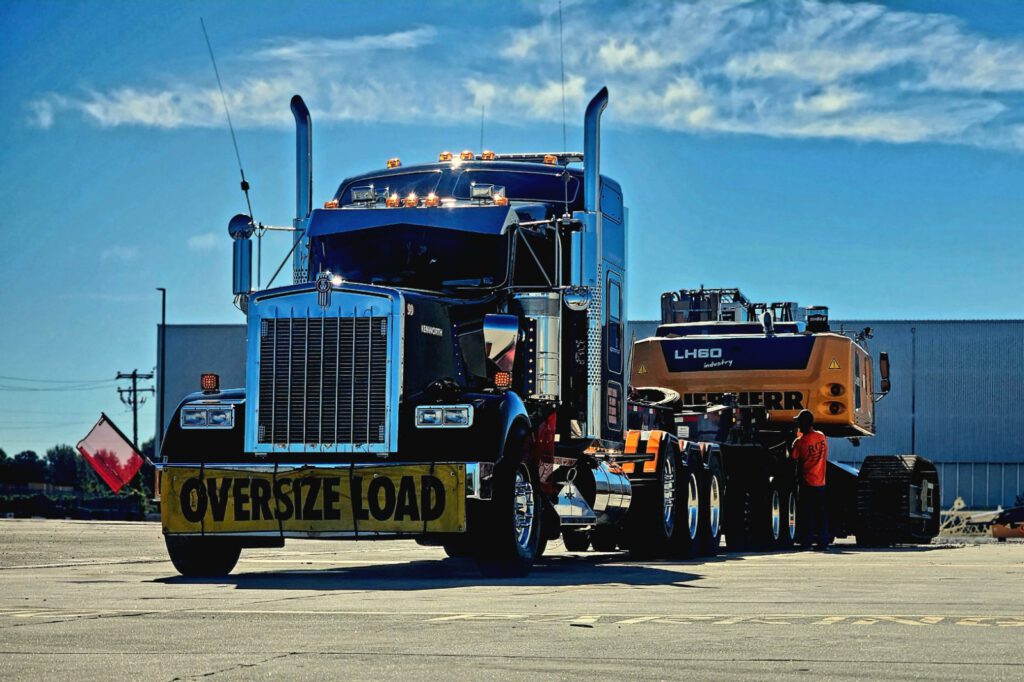
When you see a 200-ton transformer or a 50-meter wind turbine blade moving down the highway, it looks like a slow, majestic parade. But behind that slow movement is a frenzy of engineering, planning, and regulatory navigation that often begins months before the wheels start turning. This is the world of heavy logistics—where “too big to move” is just a starting point. The Engineering Challenge Standard logistics is about volume; heavy logistics is about physics. Moving an industrial asset that weighs as much as a blue whale requires more than just a big truck. It demands a deep understanding of load distribution, center of gravity, and structural integrity. Every route is a puzzle. A bridge that can handle 40 tons of traffic might collapse under a concentrated 100-ton load. To solve this, we use modular trailers with dozens of axles, spreading the weight so thinly that the ground pressure is often less than that of a standard car. We don’t just drive over bridges; sometimes, we have to temporarily reinforce them or build bypasses just to cross a single river. Navigating the Regulatory Maze The physical movement is often the easy part. The real challenge lies in the paperwork. Crossing a continent like Europe or North America with an oversized load means navigating a patchwork of local, regional, and national regulations. “A single heavy haulage project can require over 50 separate permits. One delay in one jurisdiction can leave a million-dollar asset stranded at a border crossing for weeks.” At OPUS Group, our logistics team spends as much time with maps and permit applications as they do with the hardware. We conduct route surveys that measure clearance to the centimeter—accounting for low-hanging power lines, tight roundabouts, and even street furniture that needs to be temporarily removed. The Human Element Despite the massive machinery, this is a deeply human industry. The driver of a heavy haulage rig isn’t just steering; they are managing a complex hydraulic system that keeps the load level on uneven ground. They are in constant radio contact with pilot cars, police escorts, and steerers who control the rear axles of the trailer independently. It is a high-stakes ballet where safety is paramount. One mistake doesn’t just mean a dented bumper; it can mean catastrophic infrastructure damage. That is why we invest heavily in training and simulation, ensuring that when we move a mountain, we do it with the precision of a watchmaker.