

The Future of Rolling Stock Decommissioning: 2026 Outlook
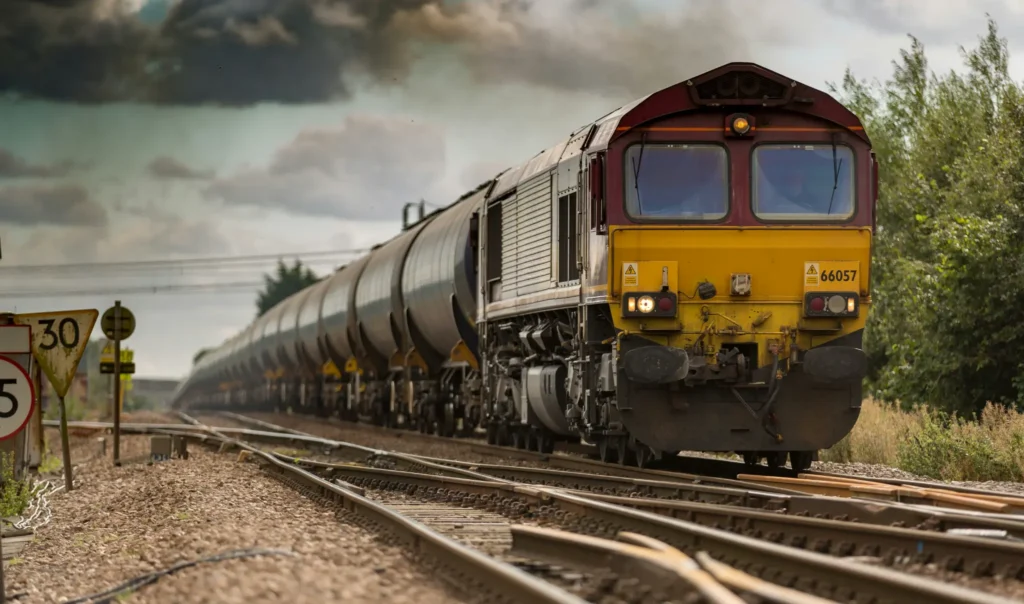
As the rail industry accelerates towards net-zero targets, the decommissioning of aging rolling stock has become a critical focal point. The traditional methods of disposal are no longer sufficient; the future lies in advanced recycling technologies and circular economy principles. The Shift to Circularity Historically, a significant portion of decommissioned rail assets ended up in landfills. However, new regulations and corporate sustainability goals are driving a paradigm shift. At OPUS Group, we are seeing a move towards “design for disassembly” in new trains, but for the current aging fleet, the challenge is maximizing material recovery. We are currently achieving recycling rates of up to 96% on our projects. This is achieved through meticulous stripping processes where metals, glass, and even composite materials are segregated and processed for reuse in other industries. “The goal is not just to dispose of the asset, but to harvest its value. Every ton of steel recycled saves 1.5 tons of iron ore and significantly reduces energy consumption.” Technological Integration Digital tracking and asset valuation tools are revolutionizing the process. By creating digital twins of rolling stock before decommissioning, we can accurately predict the yield of recyclable materials and identify hazardous components like asbestos well in advance. Conclusion The outlook for 2026 and beyond is clear: decommissioning is no longer the end of the line, but the start of a new material lifecycle. Companies that embrace these advanced disinvestment strategies will not only meet regulatory compliance but also unlock significant financial value from their legacy assets.